Ink in the Guest Room: The Quiet Archive Hiding in Hotel Nightstands
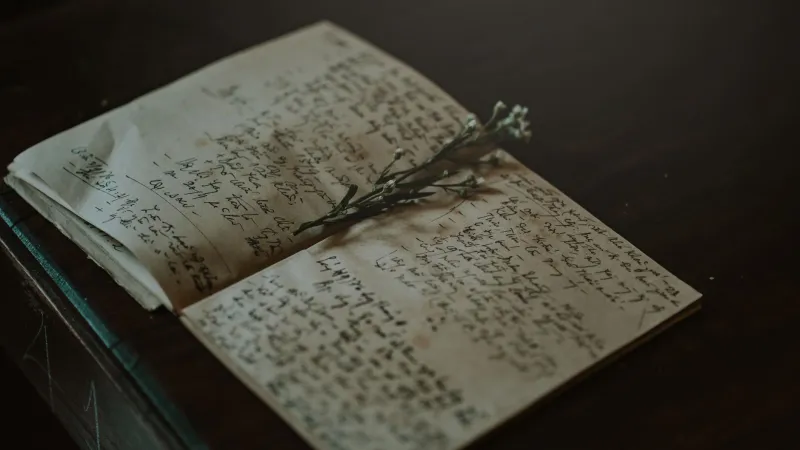
There is a drawer in almost every older American motel room that nobody thinks to open until the Wi-Fi password fails. Inside, beneath a thin layer of dust and a laminated channel guide, sits a book that has been waiting longer than the ice machine has been broken. The nightstand Bible is not usually there to be read cover to cover. It is there because someone, decades ago, decided that a rented room should include a quiet object. What nobody planned for was what travelers would write inside it.
A Book With a Second Life
The Bible in a hotel nightstand starts as a standardized item: same cover, same pages, same placement in the drawer. Then guests get hold of it. A pen appears. A receipt becomes a bookmark. A flower gets pressed between Psalms and Proverbs. Over time, the book stops being a single object and becomes a layered one—part scripture, part guestbook, part lost-and-found, part late-night confession booth with no attendant on duty.
You do not have to be religious to find this interesting. You only have to have spent one night in a room that was not yours, listening to a parking lot settle, and wondered who else had lain there staring at the same ceiling. The marginalia answers that question in fragments. It is a record of people passing through, leaving just enough of themselves behind to prove they were there.
The Marginalia Economy
Most inscriptions are small. A name and a date. A town. A verse circled in blue ballpoint. “God bless this room.” “We were here—June 1998.” Sometimes the handwriting is careful, the kind used on birthday cards. Sometimes it is the loose scrawl of someone writing in the dark. Either way, the effect is the same: the book becomes a ledger of ordinary arrivals and departures.
Then there are the messages that go further. A thank-you to a motel owner who kept the lobby light on. A note to the next guest: “The coffee place down the street opens at six.” A line about a marriage falling apart, written so vaguely that it could mean anything. A joke about the road trip that would not end. One book reportedly contains a running argument in pencil between two strangers about the best route through the Ozarks. Nobody won. The book closed anyway.
What makes these notes compelling is not that they are profound. It is that they are unpolished. A hotel guestbook with a leather cover invites performance. A nightstand Bible invites something closer to a whisper. People write as if they are leaving a message in a bottle that only the next insomniac will find.
Pressed Flowers and Business Cards
Not every contribution is written. The objects tucked inside are just as revealing. A pressed wildflower from a roadside stop. A business card for a plumbing company in a town you have never heard of. A gas receipt with a phone number on the back and no explanation. A child’s drawing of a house with four windows and a very large dog. A boarding pass. A lottery ticket, unscratched. A photograph of two people squinting into the sun at a rest area.
These are the things people carry in their pockets and then forget. Finding them in a borrowed book feels almost archaeological. You are not looking at a curated exhibit of American travel. You are looking at the lint of it—the small, incidental debris of people moving from one place to another. The nightstand Bible becomes a container for the stuff that does not fit in a suitcase but is too personal to throw away.
What Hospitality Leaves Behind
Hotel rooms are designed to erase evidence. Housekeeping resets the towels, vacuums the carpet, and removes the half-empty water bottle. The Bible usually stays because it is part of the furniture, and that is precisely why it accumulates what the rest of the room loses. It is the one surface that is not expected to be cleaned out between guests.
For small motels and family-run inns, this creates a strange form of hospitality. The owner may never read the notes. The housekeeper may flip past them while dusting. But the book holds the room’s history in a way that the fresh sheets cannot. It says: other people have been here, and they left something behind. That is not a religious claim. It is a human one.
Read It, Then Leave It
The next time you stay somewhere with a drawer that sticks, open it. Flip through the back pages. You may find nothing but a list of local churches and a faded cartoon about patience. Or you may find a pressed flower, a business card from a defunct diner, and a sentence from a stranger that makes you feel oddly seen.
Either way, the book is doing its quiet work. It is not asking you to agree with it. It is asking you to notice that a room can hold more than one night. And if you are tempted to add your own note, go ahead. Use pencil. Keep it kind. The next guest may be wide awake at 2 a.m., and your small message might be the most interesting thing in the drawer.