The Galaxy Beneath the Rental Shoes: How Bowling Alley Carpets Became Accidental Folk Art
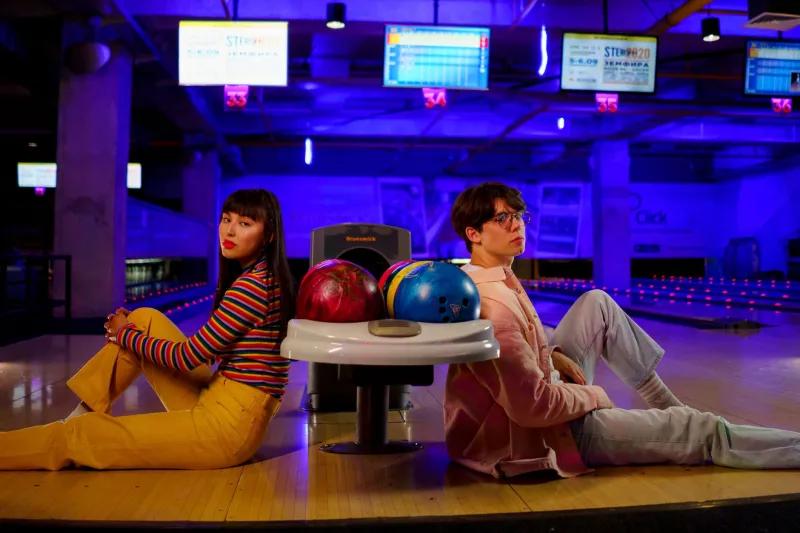
You know the sequence by now. Push through the glass door, get hit by the smell of nacho cheese and floor wax, hear the low rumble of balls rolling home—and then look down. Not at the lane. At the carpet. The carpet that looks like a laser tag arena mated with a confetti cannon. The one with planets, squiggles, trapezoids, and colors that seem to vibrate slightly when you stare too long.
For generations of Americans, that floor is just part of the package. But lately, people are noticing that the bowling alley carpet is more than decor. It is a weird, accidental art form—one built for abuse, anonymity, and maximum visual chaos.
A Floor Designed to Be Ignored
Most of us have spent years not looking at bowling alley carpets. That was sort of the point. The wild patterns that became ubiquitous in the 1970s and 1980s were practical before they were pretty. A light beige carpet in a bowling center is a confession. It shows every dropped pretzel, every splash of soda, every black scuff from a rental shoe. A carpet covered in neon zigzags and floating stars is a magic trick. It makes the mess disappear.
Alley owners and carpet manufacturers understood this. Busy patterns camouflage busy floors. The louder the design, the more forgiving it is. A stain on a hot-pink comet is just part of the comet. A gum spot near a lime-green trapezoid becomes a minor cosmic event. The carpet doesn't need to be clean. It just needs to be confusing.
Somewhere along the way, that practical instinct turned into a full-blown aesthetic. Manufacturers churned out patterns with names that sounded like forgotten prog-rock albums. Designers leaned into galaxies, fireworks, confetti, abstract geometry, and anything else that could hide a spill while making a windowless room feel like it was orbiting something.
The Art Nobody Signed
Here's the funny part: nobody knows who designed most of these carpets. They were commercial products, made to be installed, walked on, and replaced. There are no museum plaques. No retrospective monographs. No gallery openings with tiny pretzel cups. The designers were anonymous, the patterns were mass-produced, and the result was folk art by accident.
That doesn't make it less interesting. If anything, it makes the best bowling carpets feel like found objects. They were made under commercial constraints, installed in spaces built for entertainment, and then left to survive decades of birthday parties, league nights, and questionable decisions. The patterns are psychedelic without being precious. They are loud without asking for permission.
And because they were made to be overlooked, the good ones have a strange power. Look closely at a great bowling carpet and you'll see repetition, color theory, and a kind of controlled chaos. Look too closely and you might get a headache. That's the bargain.
Why the Floor Still Feels Like Home
Nostalgia is a sneaky thing. It rarely attaches itself to the things we were told were important. It attaches to the smell of a rental counter, the sound of pins scattering, and yes, the carpet under a plastic chair. For a lot of Americans, that carpet is the backdrop to first dates, childhood birthdays, league trophies, and nacho platters that tasted better than they had any right to.
In 2026, retro bowling culture is having a moment. Boutique alleys, vintage-league nights, and bar-and-bowl concepts are leaning into the look of the 1970s and 1980s. Some of that is pure aesthetics. Some of it is a reaction to the sleek, minimal, gray-and-white spaces that have dominated hospitality design for years. A bowling alley carpet is many things, but it is not minimal.
Alley owners know this. Some are commissioning new carpets that nod to the old cosmic style while updating the colors. Others are trying to preserve the real thing—the original, slightly faded, deeply unhinged patterns that have been underfoot since the Reagan administration. Preservationists and design fans have started documenting standout carpets before they get ripped out during renovations. The best ones are being treated less like flooring and more like ephemera from a very specific American era.
Saving the Good Weird Stuff
The challenge is that bowling carpets are not built to last forever. They get worn down, glued in place, and replaced when the budget allows. A beloved pattern can vanish in a weekend. That's why documentation matters. Photos, measurements, color matches, and a little old-fashioned appreciation can help keep the good weird stuff from disappearing entirely.
Some alleys have turned their old carpet into small souvenirs—coasters, patches, or keepsake squares. Others have worked with manufacturers to recreate a close cousin of the original pattern. It's not the same as saving the floor itself, but it keeps the spirit in the room. And in a country that has a habit of bulldozing its own oddities, keeping the spirit is not nothing.
Look Down Next Time
The next time you're in a bowling alley, take a second before you pick up your ball. Look at the floor. Not the lane, not the screen, not the nachos. The carpet. It is probably doing three jobs at once: hiding a stain, setting a mood, and holding a memory you didn't know you had. It is commercial, anonymous, and a little ridiculous. It is also, in its own loud way, a piece of American folk art. And it has been waiting under your rental shoes this whole time.