The Lonely Mitten Network: Why Winter Fences Keep America’s Lost-and-Found Alive
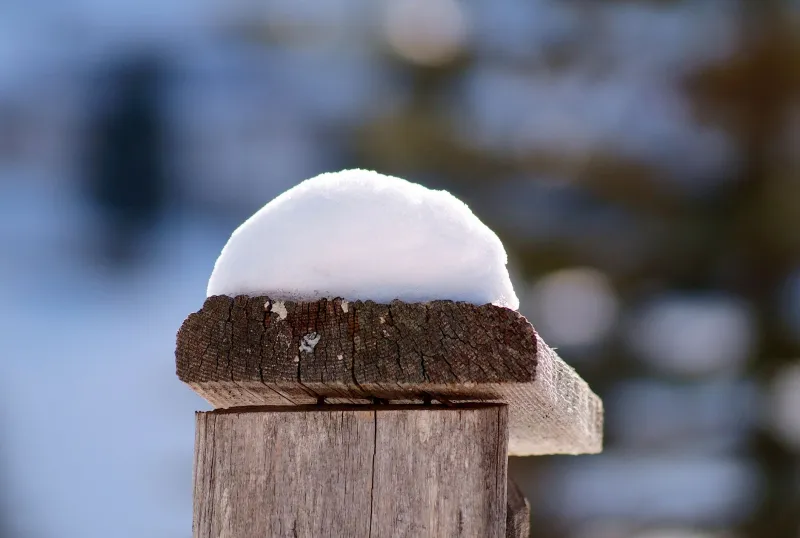
You see it on a gray afternoon in February: one knit mitten, stiff with cold, draped over the top of a wooden fencepost like a tiny flag of surrender. Maybe it’s a work glove hooked onto a mailbox post. Maybe it’s a child’s pink mitten speared on a bare branch at the edge of a parking lot. Nobody planned it. Nobody maintains it. And yet, all over the country, these solitary gloves keep showing up in the same kinds of places, doing the same quiet job.
They are not exactly shrines. But they are not exactly trash, either. They sit somewhere between lost property and public message board, a roadside reminder that someone, somewhere, is probably retracing their steps.
A Bulletin Board With No Moderator
The logic of the glove on the fence is simple: put the lost thing where the loser might see it. A fencepost is visible. A mailbox post is familiar. A bare tree branch is tall enough to catch the eye. These are the landmarks of a walk to school, a dog walk, a commute on a county road. When a glove falls out of a coat pocket, it does not usually land somewhere convenient. So the next person along picks it up and gives it a better chance.
That is the whole system. No app, no form, no lost-and-found desk. Just a stranger making a small, temporary decision: this might matter to somebody.
In an age when we can track a package across three states, there is something almost old-fashioned about this. The glove on the fence is analog hope. It assumes the owner will come back the same way, look at the same post, and recognize their own missing hand.
The Etiquette Is Mostly Unwritten
Nobody hands out a rulebook for this. But if you talk to people who notice these things, a rough code starts to emerge.
Do not take a glove that is not yours. That sounds obvious, but it is the whole foundation. The post is not a free pile. It is a waiting room.
Do not move it far. A glove belongs near where it was found. Hauling it three miles down the road turns a useful clue into a random object.
Keep pairs together. If you find two gloves, drape them together. A single glove is a question. A pair is a better answer.
And maybe most important: do not tidy too soon. A glove that looks abandoned to you may be somebody’s second-chance errand on Saturday morning. The fencepost lost-and-found runs on patience.
Some people go further. They loop a glove over a post more securely so the wind will not take it. They set it on a clean plastic bag. They choose the busiest corner. None of this is official, which is exactly why it feels like a small civic ritual.
A Mitten Is a Small Confession
A lost glove is not a dramatic loss. That is part of its charm. It is the kind of mistake that happens to almost everyone: a pocket gap, a rushed car door, a kid who yanks one hand free and keeps running. The glove drops without a sound. The day goes on.
But a glove is personal in a way a lost scarf or hat is not. It has a shape. It has a size. It has a wear pattern at the thumb. A single mitten on a fencepost is a little biography: the person who wore it, the cold morning they needed it, the moment they did not notice it was gone.
That is why these objects can feel like accidental monuments. They mark a small human moment, not a tragedy. The glove becomes a placeholder for all the things we misplace in a hurry: keys, patience, a train of thought. The fencepost holds it for a while.
Folk Art, Whether We Call It That or Not
There is also an aesthetic to it. A red mitten against gray wood. A work glove flopped over a no-parking sign. A row of stray gloves on a split-rail fence after a cold snap. Nobody curated it, but it catches the eye the way folk art does: ordinary materials, odd placement, a story just out of reach.
In some towns, people have turned the idea into something bigger. Mitten trees appear during the holidays, usually collecting warm gear for people who need it. That is a different project, more organized and generous, but it shares the same root: a fence or tree becomes a place where lonely winter things are given a second life.
The roadside glove does not ask for a plaque. It just sits there, doing its small job, looking a little sad and a little hopeful at the same time.
The Small-Town Hope Machine
Why do we leave them? Because most of us have been the person who lost something. Maybe not a glove. Maybe a wallet, a phone, a favorite earring. We know the feeling of retracing a route with your eyes on the ground.
Leaving a glove on a post is a bet on other people. It says: someone will respect this object because it belongs to someone else. That is a modest kind of faith, but it is real. In a country that often feels loud and divided, the lonely mitten network is a reminder that neighborliness still shows up in quiet, unpoliced places.
It also connects to something deeper in American road culture. We are a country of long drives, county roads, and small-town main streets. We notice things at the edge of the road. A glove on a fencepost is not a billboard, but it is a message. It says: a person was here. A person lost something. A person might come back.
What to Do When You Meet One
If you spot a glove on a post this winter, you do not need to rescue it. You do not need to post a photo with a dramatic caption. You can just leave it be, or nudge it into a slightly more visible spot if the wind has knocked it sideways.
If it is yours, take it. Feel the small relief of a thing returned. If it is not, let the post do its work. Somewhere ahead, someone is still checking fenceposts.
The glove on the fence is not really a shrine. It is a promise made by a stranger: this might matter to somebody. In the middle of a cold season, that is enough.