Pinned and Unplugged: What the Laundromat Corkboard Knows About Your Block
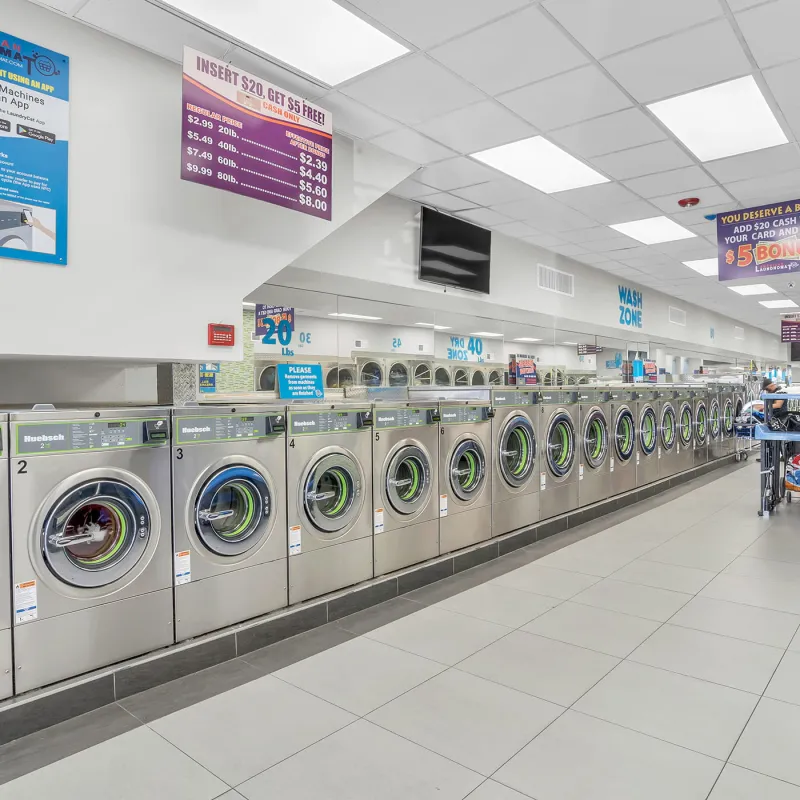
Photo: laundromat corkboard community flyers pushpins USA, via www.theamericanlaundromat.com
On a gray Tuesday in November, the most honest social feed in town is hanging by a pushpin near the change machine. It is not on your phone. It does not refresh. Nobody has optimized it for engagement, and there is no way to mute the guy who keeps reposting his gutter-cleaning flyer. It is the laundromat corkboard, and it is beautifully, stubbornly analog.
You see it before you see the dryers: a slab of cork the color of old peanut butter, framed in chipped wood, covered in paper. Some notices are typed. Most are handwritten. A few are written in marker so thick the letters look embossed. They overlap, curl at the corners, and collect yellow tape like geological layers. In 2026, when every neighborhood has a dozen digital groups and a hundred ways to ignore them, this board still does the basic work of a local network: it tells you who is here, what they need, and what they are willing to trade.
The Feed You Cannot Scroll Past
The first thing you notice is the range. A lost cat named Mr. Biscuits, last seen near the Methodist parking lot. Guitar lessons, first one free. A notary who will come to your kitchen table. Someone selling a chest freezer that runs but hums. A church supper with a number to call before Friday. Business cards for a handyman, a tax preparer, a woman who does braids out of her garage. One index card offers to haul junk; another asks if anyone has a ladder to lend.
This is not a curated feed. It is a collage of needs, small hustles, and neighborly optimism. The board does not care whether you are interested. It simply posts everything and lets the laundromat audience sort it out. You read it because your socks are in the dryer and your phone battery is low. That combination—boredom plus proximity—is a powerful thing. It makes you notice the flyer for the youth wrestling pancake breakfast even if you have never been to a wrestling match in your life.
A Network With No Algorithm, Except Gossip
Digital feeds rank. The corkboard does not. A flyer stays up until it falls down or the owner of the laundromat decides it has been there too long. There are no likes, no shares, no comments. There is only the quiet authority of repetition. When the same babysitter ad appears three times in slightly different handwriting, you understand that business is slow or the sitter is persistent. When a lost-dog flyer gets a handwritten update—FOUND, thank you—it feels like a tiny municipal victory.
Moderation is human and inconsistent. Some boards are tidy, with notices arranged in neat columns. Others look like a paper explosion. The owner might sweep away old ads with a broom handle, but mostly the board moderates itself. People take down their own flyers when the couch sells or the room gets rented. If they forget, the paper fades and becomes part of the scenery, a reminder that not every post needs to live forever.
That is the quiet difference between this board and the apps. Online, old posts sink or get archived. On cork, old posts become texture. You can see the history of a neighborhood in the layers: the same church supper from three years ago, the piano teacher who moved away, the handyman whose card has been pinned in the same corner since before you moved in.
The Economy of Pushpins
Laundromat corkboards are also a small-business ecosystem. They are where the informal economy gets a storefront. A plumber who cannot afford a billboard can pin a card. A teenager can advertise leaf raking. A retired teacher can offer tutoring. A baker can sell cakes by the slice from her home kitchen. The prices are often handwritten and negotiable, and the offers are sometimes wonderfully odd: free moving boxes, a set of encyclopedias, a ride to the airport for gas money.
The board works because it is local in the most literal sense. The people reading it are already in the neighborhood. They have quarters in their pockets and time on their hands. They are not scrolling past a sponsored post from a company three states away. They are looking at a flyer from someone who lives four blocks over and probably knows the same short cut to the grocery store.
Why It Still Works
You could call this nostalgia, but that undersells it. The corkboard is practical. It is free. It requires no login. It does not harvest your data or show you ads for shoes you already bought. It is also a rare public space where ordinary people can post without a publisher, an editor, or an algorithm deciding whether they are worth seeing.
In a year when so much of local life has been flattened into group chats and review sites, the laundromat board feels almost radical. It is messy, inefficient, and occasionally illegible. It is also a real-time portrait of a block. The lost cat, the free boxes, the church supper, the notary—these are the small signals that make a neighborhood feel like a place instead of a ZIP code.
So next time you are waiting on a spin cycle, read the board. Not for the bargains, though those are there. Read it for the plot. It is the last unfiltered social feed in America, and it updates every time someone borrows a pushpin.